
As various modern business sectors, such as mining, construction, and agriculture, develop, a major challenge must be faced and addressed: the accumulation of industrial waste, which impacts the environment and natural resources.
Therefore, a solution is emerging that is expected to address this problem: the Circular Economy.
What is the Circular Economy and how is it implemented? Let's take a look together.
Also Read: From Pekanbaru to a Super Multi-Industry Holding: The Success Journey of TB Global Group
Understanding the Circular Economy
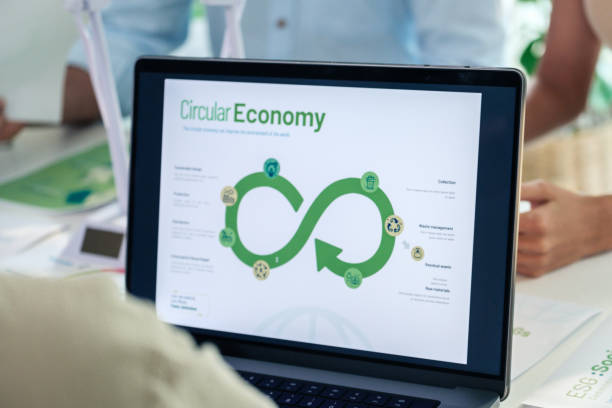
The circular economy is a concept with a sustainable system that focuses on optimal resource utilization, so that used materials are not discarded as waste, through the concept of reduce, reuse, and recycle.
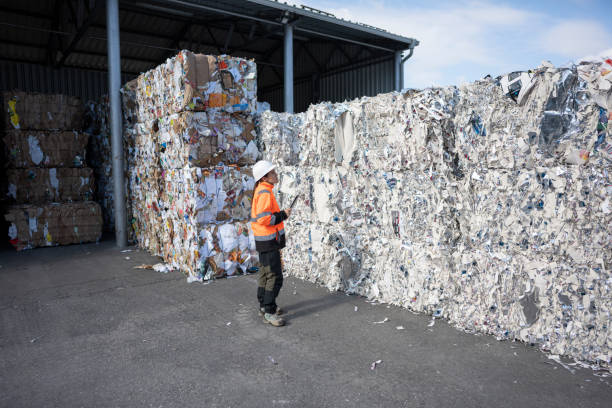
Waste reduction is achieved by reusing viable materials and recycling products into raw materials.
This system can address climate change and other global challenges.
Unlike the linear model, which typically follows a take-use-dispose pattern, the circular economy promotes a more efficient and sustainable system.
In activities such as mining, construction, and logistics, the circular economy is a solution to address limited natural resources, high production costs, and complex environmental regulations.
Implementation of the Circular Economy in Various Industries
Mining Industry
The mining industry is synonymous with the massive exploitation of natural resources. The implementation of this system naturally focuses on waste reuse and land reclamation.
Reclamation and rehabilitation of land after mining are used for plantations or agriculture. In addition, heavy equipment can be maintained and recycled parts can be used.
Construction Industry
The construction industry is one of the largest contributors to waste in the world. To address this, recycled building materials, such as concrete and steel, can be utilized, and modular building designs that are easy to disassemble can be utilized.
This way, construction activities will eliminate waste, reduce costs, and promote environmentally friendly construction.
Agrarian Sector
For agricultural activities, a circular system can be optimized by utilizing organic waste as compost and water use through the use of modern irrigation technology.
Logistics Industry
In the logistics industry, the implementation of a circular system is carried out through the use of reusable packaging, route optimization to reduce carbon emissions, and reverse logistics for recycling.
Benefits of the Circular Economy for Industry

Environmental Impact
This is the main benefit of implementing this system. The impact of carbon emissions, industrial waste, and environmental damage can be reduced and effectively managed.
Natural Resource Efficiency
A circular economy can also address the exploitation of nature, which, if left unchecked, would limit natural resources and cause severe environmental damage.
Cost Efficiency
Reusing old materials will certainly reduce operational costs.
Increasing Economic Value
Reducing the use of natural resources as raw materials significantly impacts a country's market and economic conditions. Recycling prevents increases in raw material prices and production costs.
Overcoming Social Inequality
Not only does this system increase the economic value of a region, it can also improve the economic conditions of the community and facilitate access to goods and services.
More Innovation
Another advantage is the availability of the latest product innovations through methods for repairing and processing recycled goods, opening up more up-to-date business opportunities.
Long-Term Sustainability
By maintaining a balance between the economy and the environment, a circular system supports long-term business sustainability.
Conclusion
The circular economy is not a trend, but a solution for sustainable activities across various industries in the modern era. By implementing the circular economy concept, companies can manage resources wisely while maintaining environmental safety.
This is also a concern for PT Tribuana Global Group, a holding company that encompasses various business lines, including heavy-duty trucks and equipment, agribusiness, and building materials. An appropriate circular economy strategy can be a crucial foundation for building a resilient and sustainable industry.


