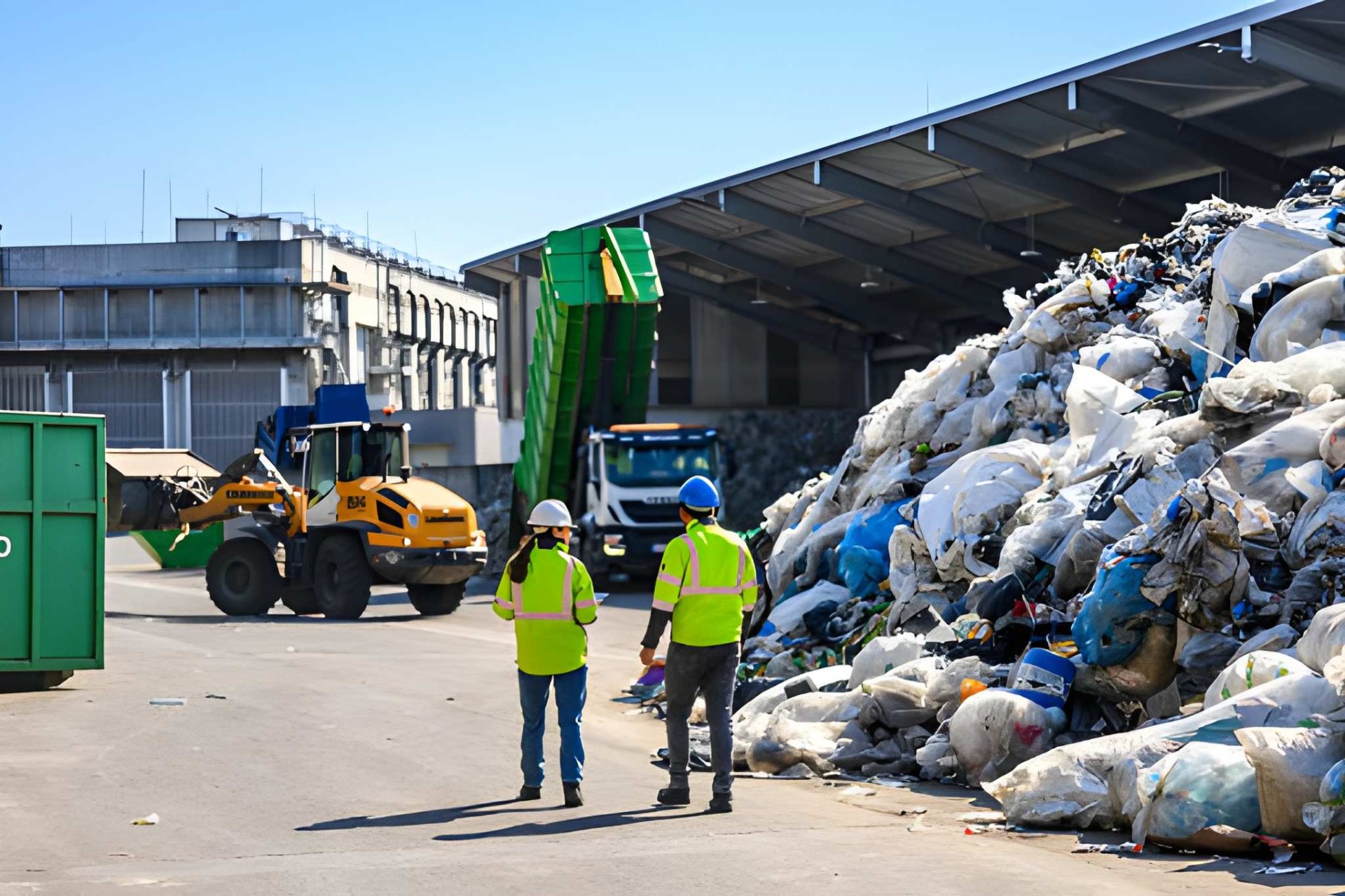
As various industries in Indonesia develop, particularly in sectors with high operational activity, such as mining, agriculture, and construction, the issue of increasing industrial waste is becoming increasingly prominent and widespread, resulting in negative environmental impacts.
If not managed properly, waste from these industries has the potential to pollute the environment, damage ecosystems, and negatively impact the health of surrounding communities.
Therefore, companies operating in these sectors are required to create appropriate industrial waste management systems that comply with the regulations of each region.
As a multi-industry superholding company, TB Global Group implements industrial waste management practices as a form of responsibility for its business lines in mining, property, and agribusiness.
What is Industrial Waste Management?
Industrial waste management is a structured activity carried out to reduce, select, and manage waste from industrial production processes. This is done to minimize negative impacts on the work environment and ensure public health and environmental standards are maintained.
In practice, this management involves not only disposing of waste but also optimizing it through the principles of reduce, reuse, and recycle (3R).
Characteristics of Industrial Waste
In Indonesia, industrial waste management is regulated by Government Regulation No. 22 of 2021 concerning the Implementation of Environmental Protection and Management, or B3 waste, which includes toxic, corrosive, reactive, infectious, and other types of waste.
B3 waste is waste containing hazardous and toxic substances that, due to their nature or concentration, can directly or indirectly pollute and damage the environment and/or endanger the environment, health, and survival of humans and other living things.
Therefore, all waste management activities in various industries are carried out after obtaining a permit from a state agency, such as the Ministry of Environment and Forestry.
Types of Industrial Waste
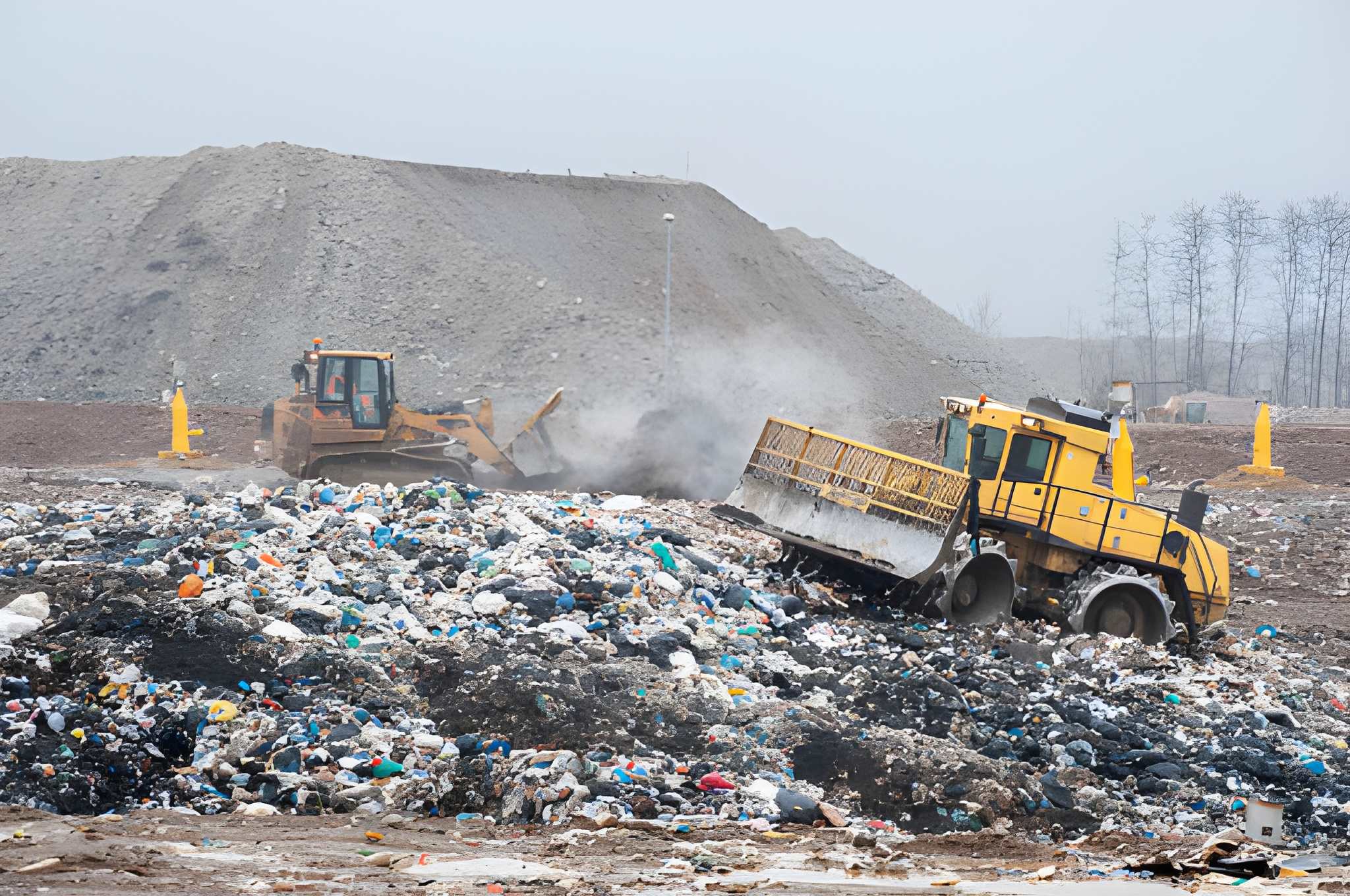
Solid Waste
This type of waste is in solid form and is usually waste from raw material processing, such as electronic scrap, plastic, used wood, concrete scrap, industrial sludge, and the like.
This waste often contains hazardous and toxic materials, such as metal and rust, which can pollute the environment and pose a risk to health.
Gaseous Waste
This type of waste is produced from combustion processes, such as exhaust emissions, the combustion of chemicals, and fossil fuels. This waste contains hazardous substances, such as sulfur, carbon monoxide, and other compounds, which can damage the environment and pose a health threat.
B3 Waste
B3 waste is hazardous waste, such as chemicals, battery acid, medical products, pesticides, and other types of waste. Similar to gaseous waste, however, this waste must be managed specifically to prevent environmental pollution and adverse health impacts on the surrounding community.
Liquid Waste
This waste is in liquid form, as the name suggests. It is usually obtained from the processing of raw materials, the thawing of frozen products, and other products. Examples of this waste include industrial materials such as chemical solvents, oil, and the like.
Industrial Waste Management Methods
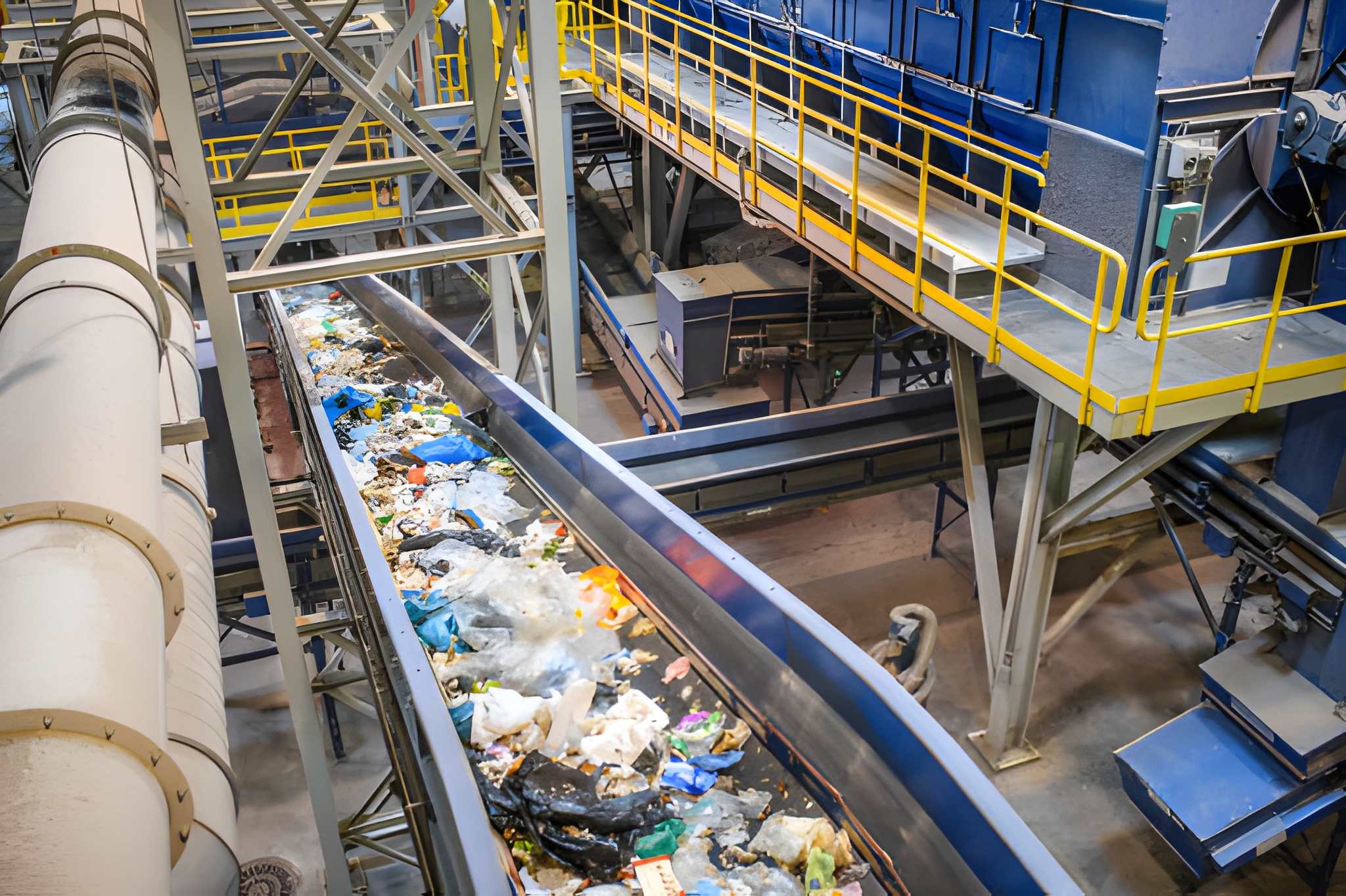
Waste Selection
Waste is separated by type to facilitate the processing process. Separation can be done based on weight, specific size, and using special equipment.
The waste is compressed to reduce its volume using a press. Decomposable materials are collected and composted.
Recycling
Waste that can be processed, whether wet or waste construction materials, such as concrete and metal, can be recycled and reused. Agricultural waste is processed into fertilizer for agriculture.
Final Disposal
If waste falls into the non-reusable category, it will be collected at a special facility, in accordance with environmental regulations for safe disposal.
Effective Industrial Waste Management Methods
- Develop Standard Operating Procedures (SOPs) based on the waste to be processed.
- Use environmentally friendly tools and technologies, such as anaerobic digestion, to break down organic waste, which can then be used as a renewable energy source. Pyrolysis processes waste into gas or oil, which can then be used as alternative fuels. Liquid waste can also be filtered.
- Conduct regular monitoring and evaluation to maintain environmental sustainability, while also maintaining the company's image and ensuring operations comply with applicable laws and regulations.
TB Global Group's Role in Industrial Waste Management
As a holding company with diverse business lines, TB Global Group is committed to implementing appropriate and sustainable waste management practices.
Some of the actions taken include:
- Using environmentally friendly heavy equipment and vehicles.
- Optimizing construction and agricultural materials to reduce waste.
- Complying with environmental and occupational safety regulations.
Conclusion
Managing industrial waste with appropriate methods and an integrated management system can reduce its negative impact on the environment and health.
TB Global Group demonstrates an active role in supporting responsible business practices for business growth and proper environmental stewardship.
PT Tribuana Global Grup, or TB Global Group, is a holding company with diverse business lines, spanning the manufacturing and distribution of building materials, trucks and heavy equipment, agribusiness, trade and services, and property and construction. TBG is poised to open new opportunities to address more dynamic market conditions.


